Refrigerated prepared foods

The recall drill that came back at 400 pallets

Lot capture moved to the blend station, rework got an identity, and one dock record now serves both the federal traceability rule and the chargeback dispute, built alongside Dynamics NAV rather than waiting on a replatform.

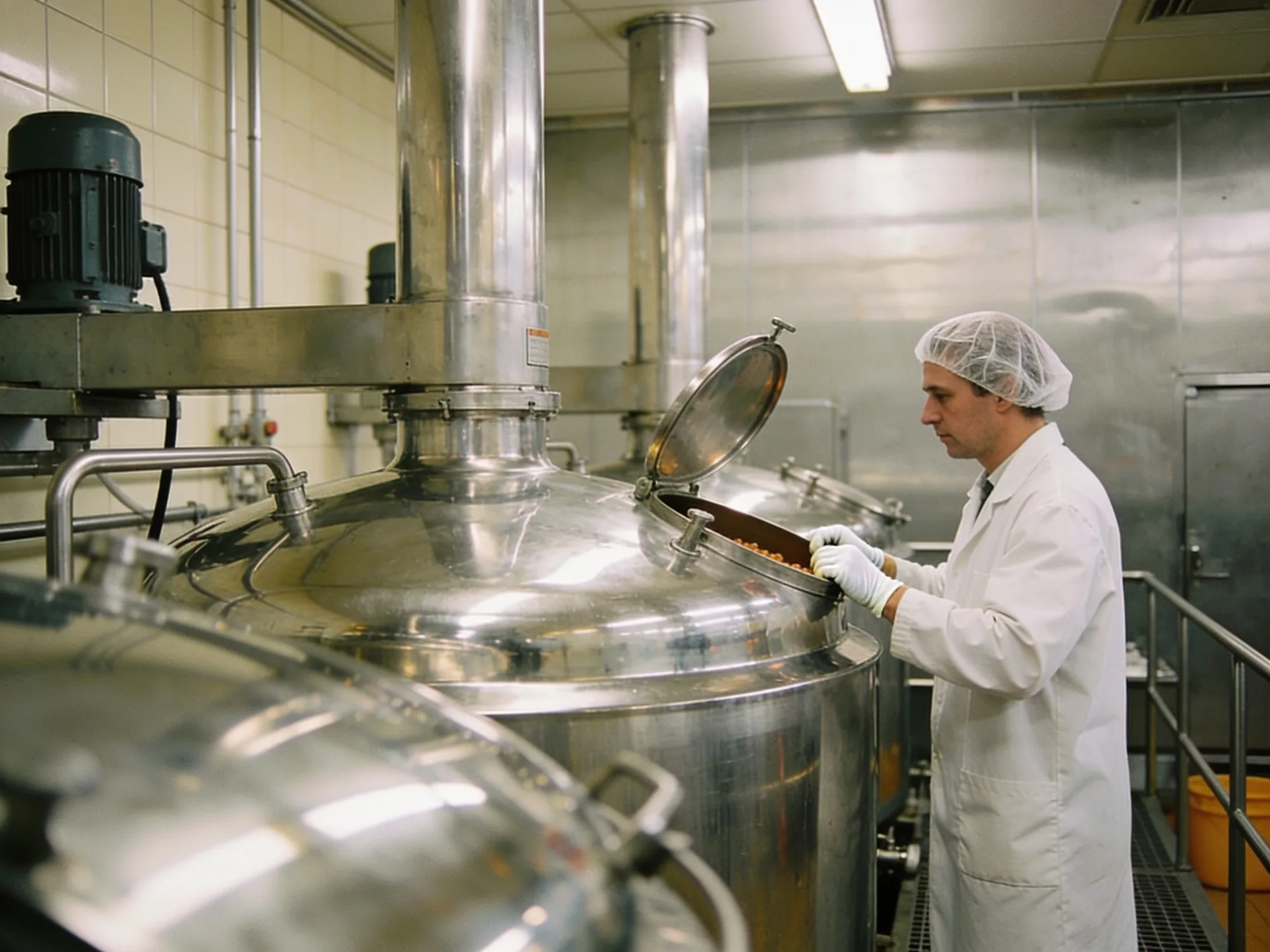
An operator in hairnet and gloves working beside stainless mixing kettles in a food plant
Traceability and retailer compliance
400
 → 51
Pallets inside the recall boundary
5 hours
Mock recall drill, down from three days and three people to one
$240K
Net chargeback swing in the first full year
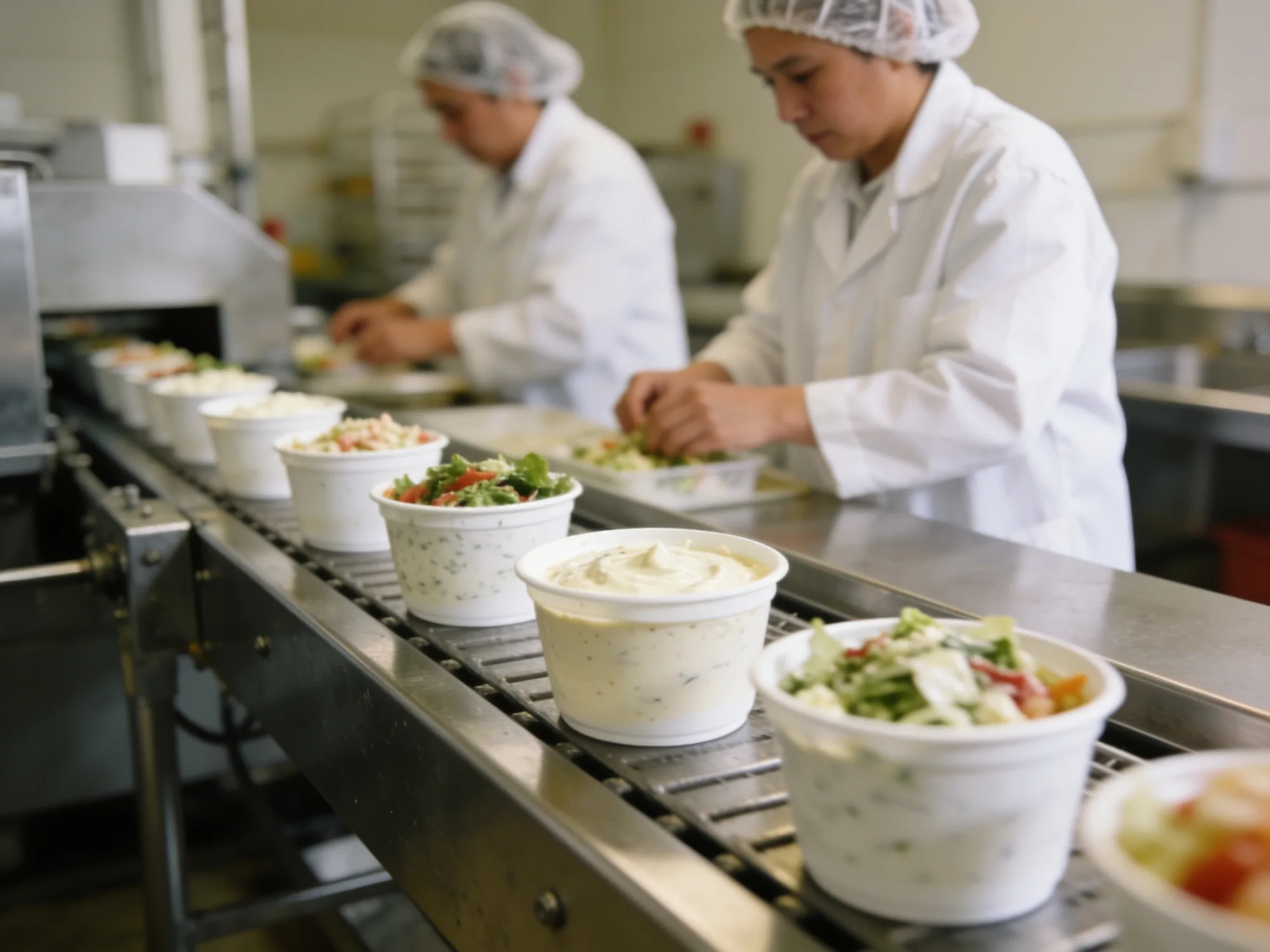
Unlabeled tubs of prepared foods moving along a stainless packing line

About the client

A refrigerated prepared foods manufacturer runs two plants and about 700 people on $210M in revenue, making dressings, dips, and salads mostly under two national grocers' private labels. It runs Microsoft Dynamics NAV for inventory and orders, with SPS Commerce handling retail EDI.

Not failing at delivery. Failing at proving delivery.

  • A national grocer's mock recall took three people three days and returned a boundary of 400 pallets, the smallest number they could prove, though the kettle room knew the real answer was closer to 40
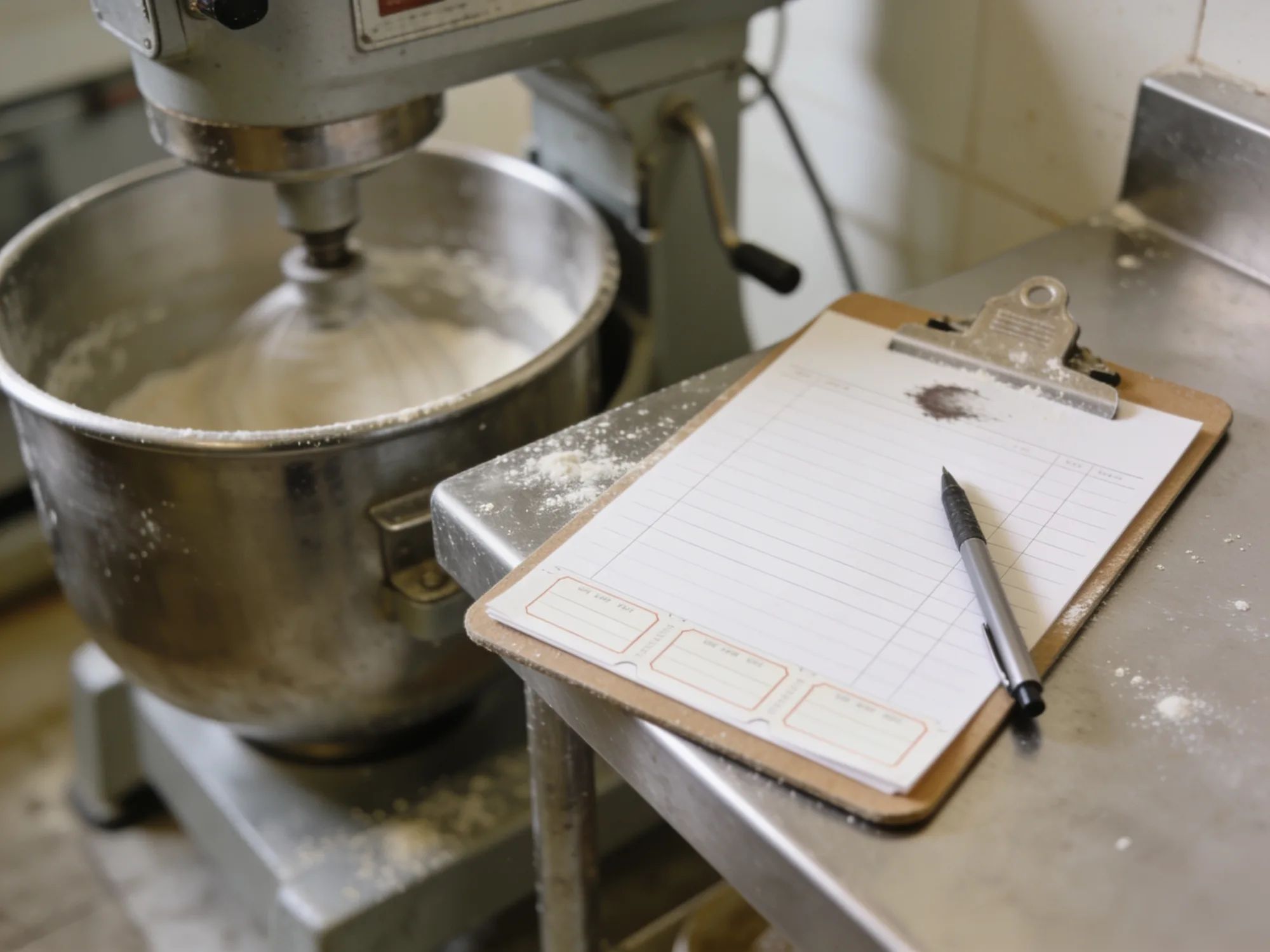
  • Blend lots were written on paper tickets and keyed in days later, sometimes on Friday for the whole week, long after the tank had been cleaned, refilled, and emptied twice more
  • Good product was scraped and added back into the next day's batch with no note of its origin, breaking the trail at rework
  • Quality owned traceability and Customer Service owned chargebacks, and the two teams were about to build the same shipping record twice, independently
  • A club retailer had begun deducting cash for late deliveries, with no gate record to settle whether a truck arrived at 6 a.m. or 2 a.m.
A clipboard of paper batch tickets resting on a stainless ledge beside a mixing kettle
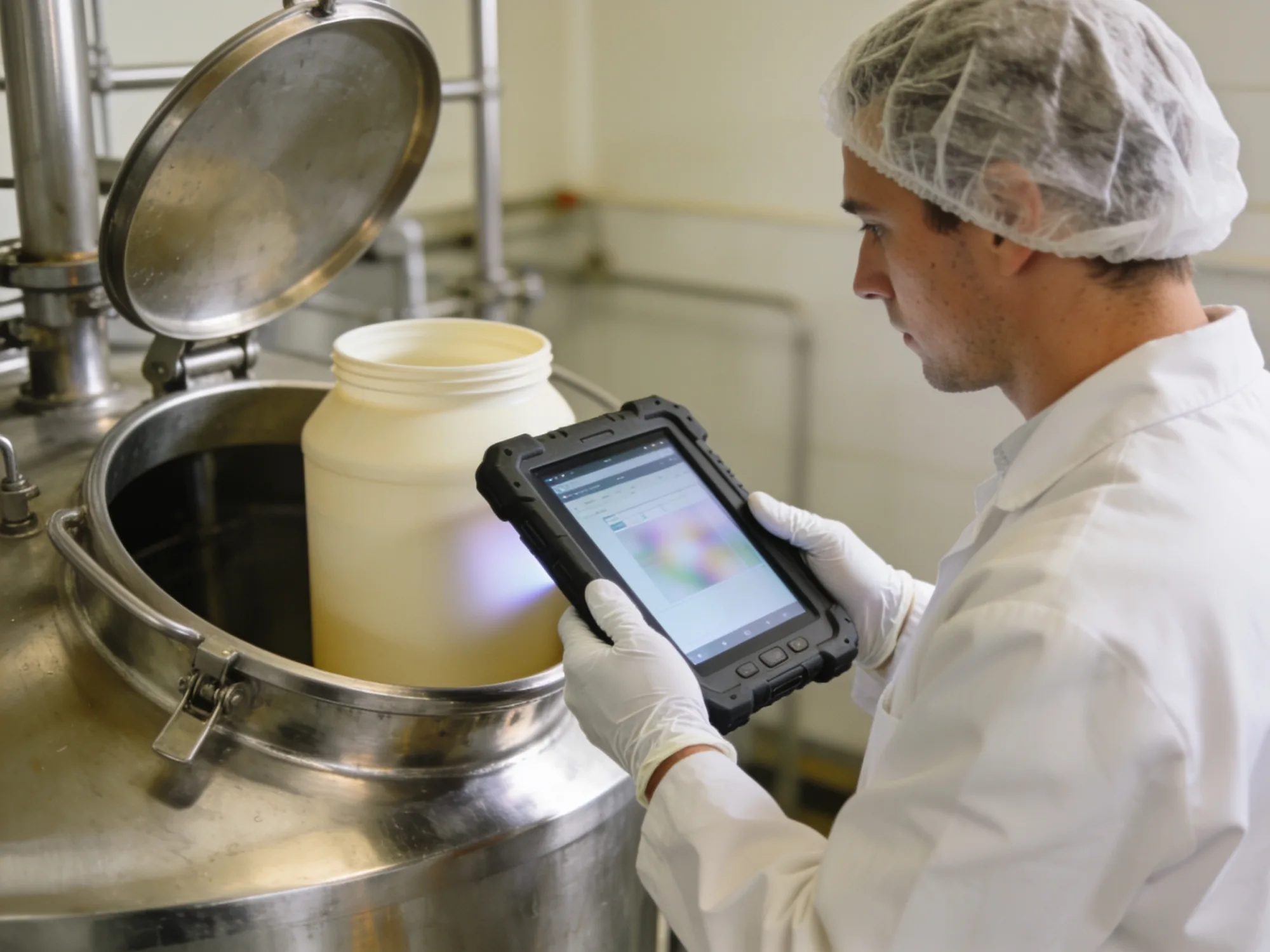
An operator scanning an ingredient lot into a ruggedized tablet at the blend station

Close the gap at the point of failure, not at the platform

We rebuilt the record of what went into every batch, sequenced so the traceability gap closed before anything else was touched, and left the plant's larger ERP questions alone rather than making them a precondition.

Blend station traceability

A tablet at the blend station: operators scan each ingredient lot into the kettle, and the batch record closes automatically when the blend closes, replacing the paper ticket keyed in days later.

Rework and add-back identity

Add-back now carries the lot it came from and is scanned into the batch it enters, or the lot is held until it can be. The trail that used to break at rework now holds.

Shipment and dock capture

Lot, quantity, destination, carrier, appointment window, and gate times are captured once at the dock, replacing two teams independently reconstructing the same shipment after the fact.

One record, two jobs

The fields that satisfy the federal traceability rule are the fields that win a chargeback dispute, so Quality and Customer Service stopped maintaining separate versions of the truth.

A layer beside the existing platform

The traceability record was built alongside Dynamics NAV and SPS Commerce rather than forcing a bigger replatforming decision first, so the plant got traceable in weeks instead of waiting years for a system decision to resolve itself.

Recall simulation and dispute reporting

Recall boundaries can be simulated on demand instead of assembled by hand over three days, and deduction disputes go out with gate and dock timestamps attached.

Seeing the same pattern in your own operation?Thirty minutes with an architect, no pitch and no obligation.

Book a 30-minute call

Technology stack

Microsoft Dynamics 365 logo
Microsoft Dynamics NAV

System of record for inventory and orders, left in place

SPS Commerce

Retail EDI: ASNs, invoices, and OTIF scorecards

Ruggedized tablets and scanners

Lot capture at the blend station and the dock

Middleware integration layer

Scan data into Dynamics NAV without replacing it

Microsoft Power BI logo
Power BI

Recall boundary simulation and chargeback dispute reporting

One lot and batch data model

The single record behind both traceability and chargeback disputes

Sources

54% of small and medium plants still used pen, paper, or spreadsheets in 2024.

IoT Analytics, MES Market Report 2025 to 2031

Walmart's OTIF program is enforced at 3% of the cost of goods on non-compliant cases.

SPS Commerce, 2023

A proposed rule would extend the food traceability compliance date to 20 July 2028.

US Federal Register, 7 August 2025
Schedule a consultation

Could you prove your recall boundary tomorrow?

We close the traceability gap where the record actually breaks, alongside the systems you already run. Let's look at what your last drill would cost you.

Send us a brief
Send us a brief