Service

Data Warehousing & Engineering

We build the modern data pipelines and warehouses that consolidate scattered data into one reliable, analytics-ready source of truth.
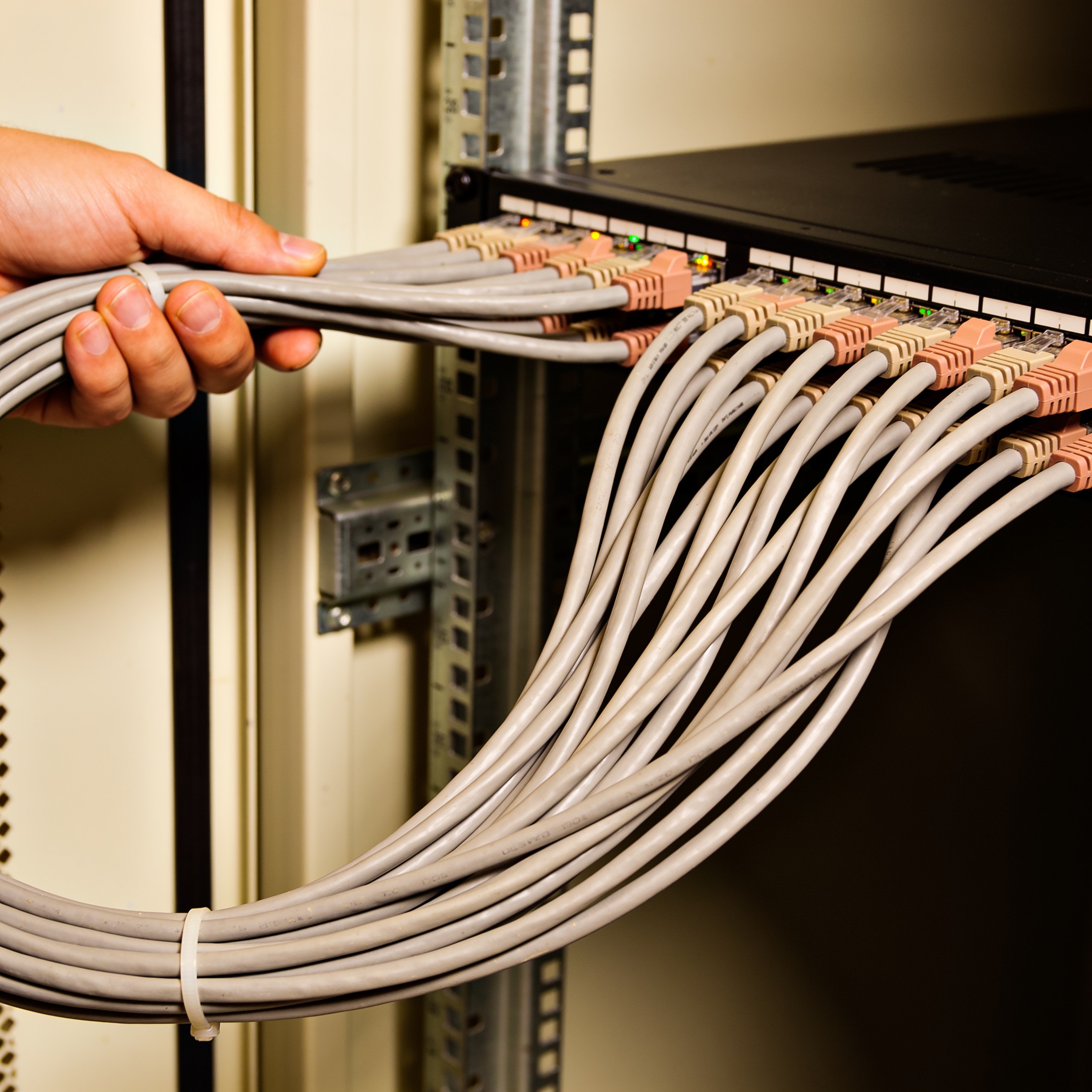
Neatly bundled network patch cables curving into the side of a server rack
Data Warehousing & Engineering

What we build.

Six disciplines, from first architecture to production support.

ETL/ELT pipeline design

Reliable pipelines that move, transform, and consolidate data from every source into an analytics-ready foundation.

  • Batch and streaming ingestion
  • Source-to-target mapping
  • Transformation and enrichment
  • Orchestration and scheduling
Data lake and lakehouse architecture

Modern lake and lakehouse platforms that unify structured and unstructured data at scale.

  • Lakehouse design (Delta, Fabric)
  • Structured and unstructured storage
  • Bronze, silver, and gold layering
  • Cost-efficient scaling
Azure Data Factory pipelines

Cloud-native data integration built on Azure Data Factory and Synapse pipelines.

  • Pipeline design and parameterization
  • Linked services and connectors
  • Incremental and CDC loads
  • Monitoring and alerting
Data modeling and optimization

Warehouse models and tuning that keep queries fast and storage efficient as data grows.

  • Dimensional and star-schema modeling
  • Partitioning and indexing
  • Query performance tuning
  • Storage and cost optimization
Data quality and governance

Frameworks that keep data accurate, trusted, and compliant across the organization.

  • Validation and cleansing rules
  • Data lineage and cataloging
  • Access control and compliance
  • Monitoring and alerting
Master data management

A single, reliable source of truth for the core entities your business depends on.

  • Golden-record management
  • Deduplication and matching
  • Reference-data governance
  • Cross-system synchronization
Why Aedista

Why Aedista for data engineering

Pipelines you can trust

Lineage and validation, so every number reconciles.

Modeled to how you report

Built around your close, KPIs, and grain.

On your cloud, your tools

Azure, Fabric, Snowflake, Databricks.

Engineered to last

Tested, monitored, and documented to survive change.

Our stack

Modern tools we build with

.NET logo

.NET Core

Enterprise web and service backends

Java logo

Java

Large-scale enterprise systems

Node.js logo

Node.js

APIs and real-time services

PHP logo

PHP

High-volume web platforms

React logo

React

Modern web front ends

Angular logo

Angular

Enterprise front ends

Next.js logo

Next.js

Server-rendered React apps

Swift logo

Swift

Native iOS apps

Kotlin logo

Kotlin

Native Android apps

Microsoft Azure logo

Azure

Cloud infrastructure and DevOps

AWS logo

AWS

Cloud infrastructure at scale

Docker logo

Docker

Containerized deployment

Engagement models

Three ways to work with us

icon file

Fixed cost

A defined scope, priced upfront, and paid by milestone. Best when requirements are clear and stable.

icon graph

Time and materials

Built for evolving scope. You pay for delivered work, and priorities can shift as you learn.

icon man

Dedicated team

Our engineers work as an extension of your team, on your priorities, at your cadence.

Engineer sorting stacked documents beside a laptop in front of filed archive binders during a Data Warehousing & Engineering engagement at Aedista
Quote
Aedista didn't just advise, they built the system alongside us. They understood our operations, made the complex parts simple, and delivered something our teams actually use every day. The result was immediate and, more importantly, built to last.

Daniel R.
Daniel R.
Director of Operations at a Berkshire Hathaway company
Trusted by global brands
Talk to us

One source of truth.

Unify your data.

Discuss data
Discuss data

Frequently asked questions

Two colleagues in conversation across a sunlit table, one listening while the other explains
What data platforms does Aedista build on?
Snowflake, Azure Synapse, Microsoft Fabric, and Azure Data Factory are the core platforms, with Delta-based lakehouse architectures where they fit. We choose the platform based on your data volumes, team skills, and cost profile, not a default vendor.
What is the difference between a data warehouse and a lakehouse?
A warehouse stores structured, modeled data optimized for reporting. A lakehouse combines warehouse-style management with a data lake's flexibility, holding structured and unstructured data in layered bronze, silver, and gold tiers. We build both; the right answer depends on your sources and workloads.
How long does a data warehouse implementation take?
A focused warehouse with a handful of sources typically takes 3 to 4 months, including pipelines and models. Larger platforms with many sources, CDC loads, and governance frameworks run 6 to 9 months, delivered incrementally so reporting value lands early.
How do you keep data quality high?
Validation and cleansing rules are built into every pipeline, with data lineage, cataloging, and monitoring that alert on anomalies before they reach a dashboard. Master data management gives core entities a single golden record across systems.
Can you work with our existing pipelines?
Yes. We regularly take over, stabilize, and extend existing ETL and ELT estates, from optimizing slow queries and pruning storage costs to re-architecting pipelines for incremental and CDC loads.
How does this connect to BI and AI work?
The warehouse is the foundation both sit on. We design models so Power BI reporting is fast, and so AI and ML workloads have clean, governed features to draw from. One engineered foundation serving both.