We ran a phased, multi-year modernization built around a single Dynamics 365 platform, sequenced so the quoting crisis got fixed first. Each phase delivered a working, standalone improvement before the next layer went in, so the plant kept running throughout and leadership saw a return at every stage.
Real run times and quoting accuracy
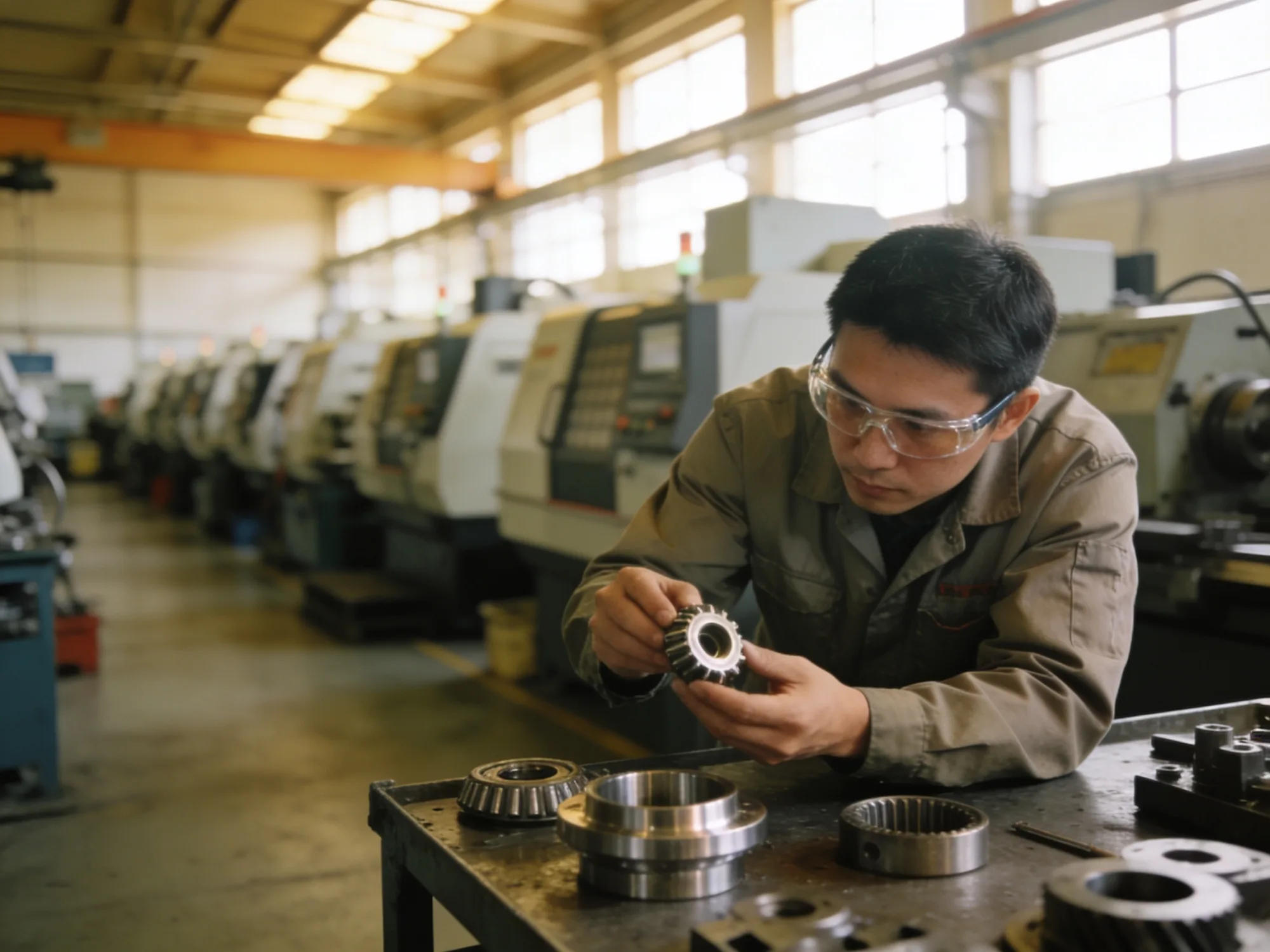
Timings taken straight off the machines produced defensible, current run times per part and operation. Quoting now pulls live material prices, the re-measured hours, and each work center's own overhead rate, and the estimator's judgment adjustment is named and reviewed rather than buried in a formula.
Scheduling and promise dates
Real capacity and shift patterns went into the scheduling engine, run beside the magnet board for six weeks before the board was retired. Promise dates now come from the system in real time, not a walk across the plant floor.
ERP migration and modernization
The company moved off Dynamics GP onto Dynamics 365 Business Central, with over a decade of item masters, BOMs, and historical transactions cleansed and re-mapped. Migration ran in parallel through a full month-end close before cutover, so finance never lost a reporting period.
Production planning and MES
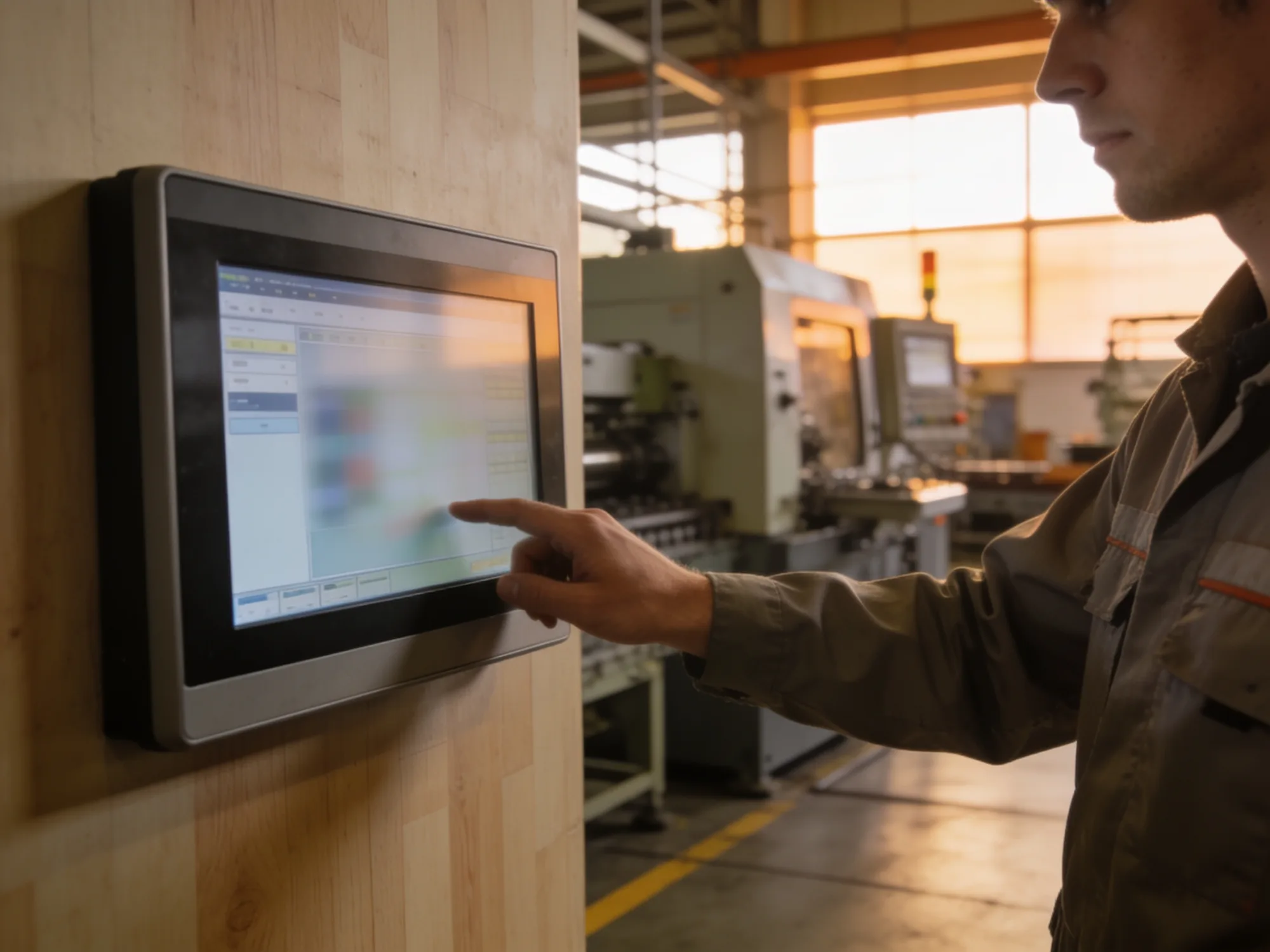
Multi-level BOMs, routings, and standard costing built on the re-measured run times, with capacity planning, MRP, and finite scheduling layered in. Shop floor terminals update work orders, machine status, and work in progress as operators clock in and out of jobs.
IoT and predictive maintenance
PLCs and machine sensors across both plants feed live OEE dashboards down to the plant floor and up to the executive team, and the same telemetry drives a model that flags abnormal vibration and temperature before they cause unplanned downtime.
Quality, supply chain, and analytics
Inspection plans, non-conformance tracking, and CAPA workflows built into the ERP give full lot and serial traceability from raw material receipt to finished goods shipment. Procurement runs on demand forecasting, the warehouse on barcode cycle counting, and a B2B portal ties to live inventory and pricing.